One of the most common questions we hear at Apex Auto Restoration is, How long is my restoration going to take?
Totally fair question. It’s your car, your budget, and your excitement on the line. And while we’d love to say, “Oh yeah, two weeks,” that’s not how quality restoration work goes. The real answer depends on the condition of the vehicle, the scope of the build, and what we find once we start digging in.
If you’re in DeKalb, IL and thinking about restoring a classic, here’s the honest rundown.
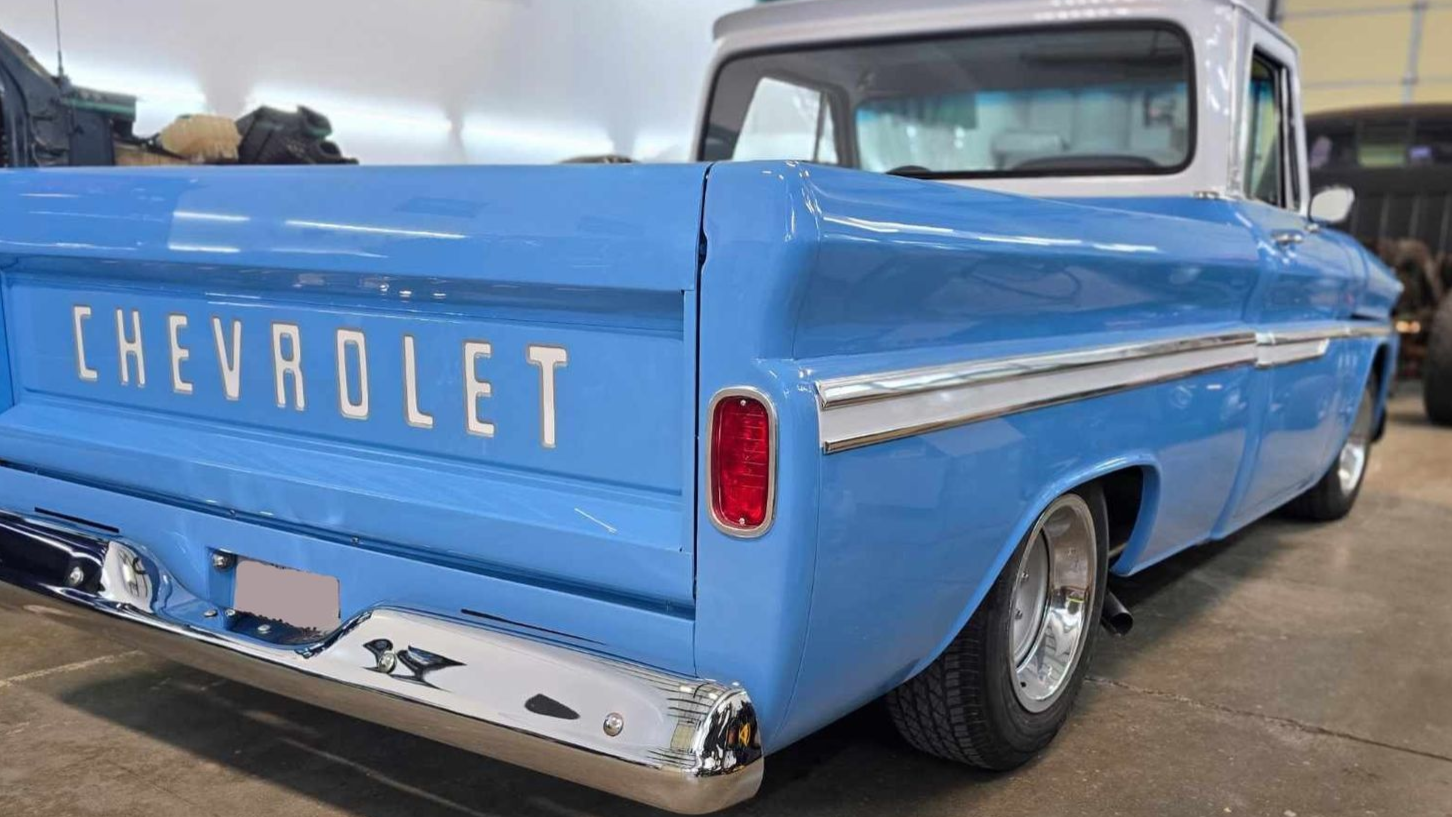
Why There’s No One-Size-Fits-All Timeline
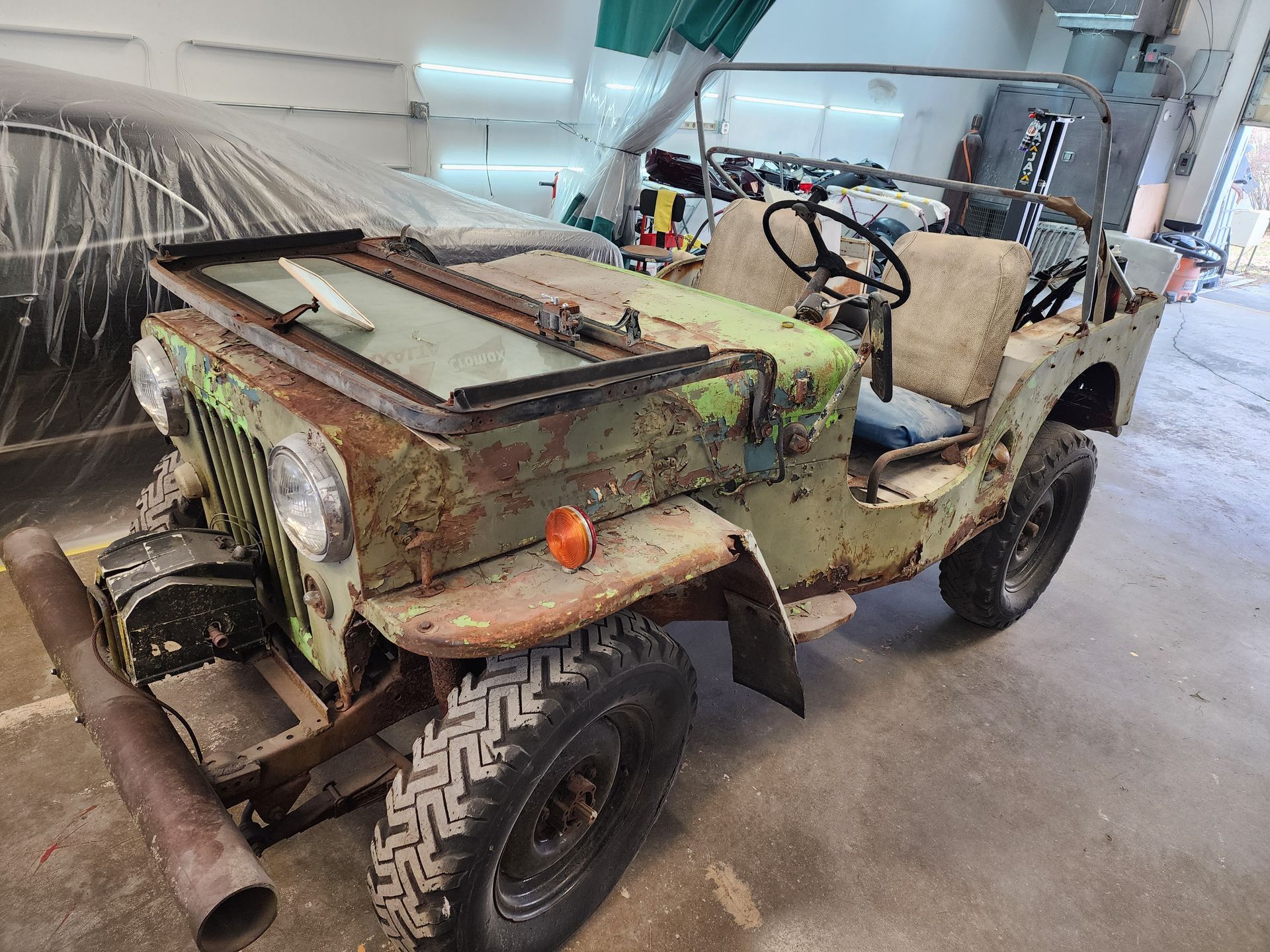
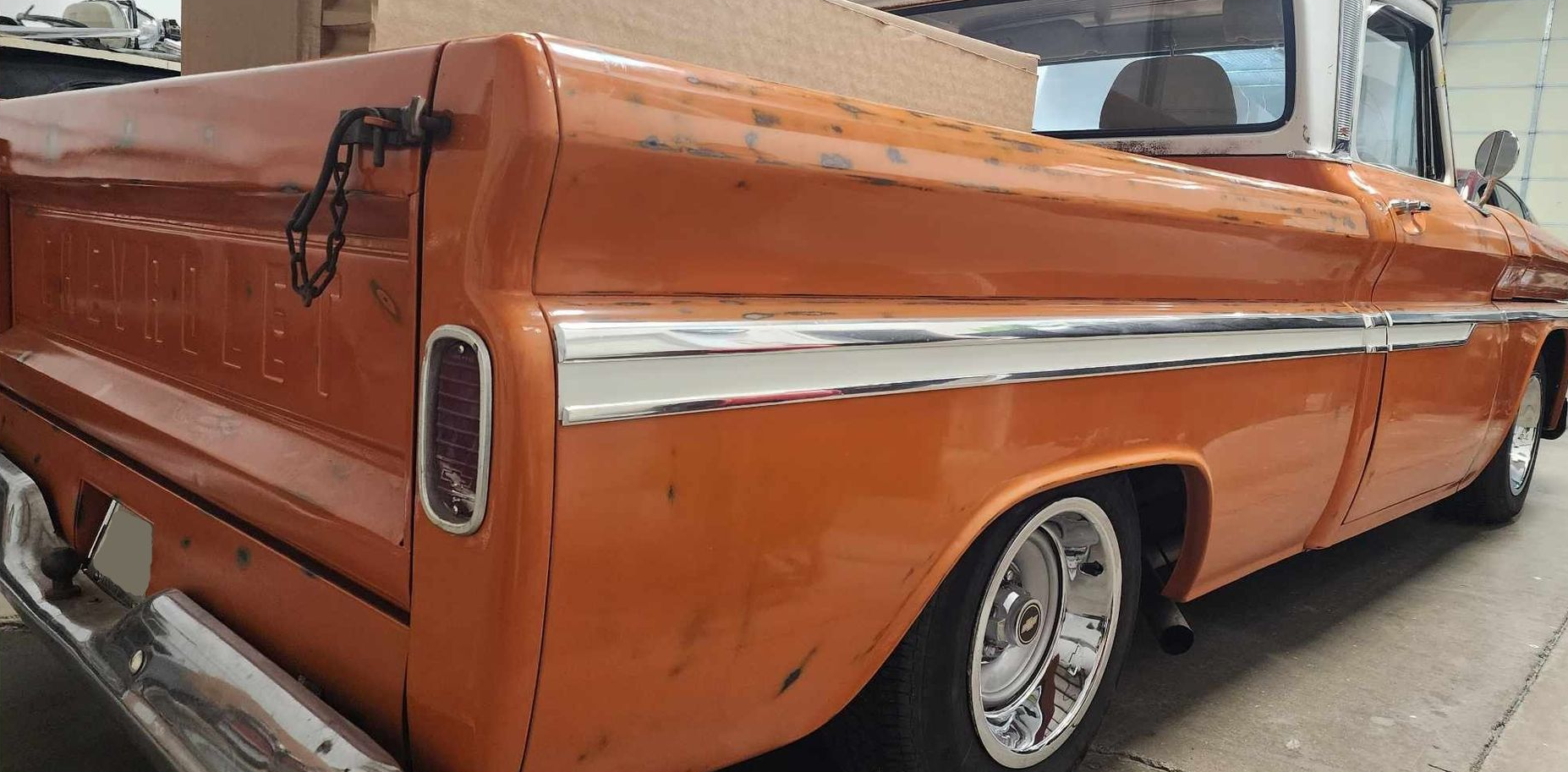
Classic vehicles are decades old. Even the nice ones have stories. And a lot of those stories are hiding under paint, carpet, and “good enough” repairs from years ago.
Here are a few common surprises we find once a vehicle is disassembled:
- Rust hiding under paint or trim
- Body filler covering old damage
- Brittle wiring and sketchy electrical fixes
- Worn suspension parts that look fine at first glance
- Leaks, cracks, and broken mounts that only show up when things come apart
That’s why restorations aren’t just about swapping parts. They’re about correcting problems the right way, so they don’t come back to haunt you later.
Typical Restoration Timelines
Every build is different, but most projects fall into these general ranges.
Minor Restoration or Partial Build: 1week to 2 months
Great for focused upgrades like:
- Suspension and brakes
- Drivetrain updates
- Wiring cleanup
- Cooling improvements
- Cosmetic refreshes
Partial Build: 2-6 months
This is when multiple systems are getting attention, and there might be:
- More disassembly
- Real bodywork
- Paint involved
- Bigger mechanical upgrades
Full Restoration: 12–18+ months
This is the full teardown and rebuild, including:
- Metal repair and rust removal
- Bodywork and paint
- Drivetrain work
- Suspension, steering, and brakes
- Wiring and electrical
- Interior work
- Final assembly, testing, and detailing
These timelines reflect work done correctly, not rushed.
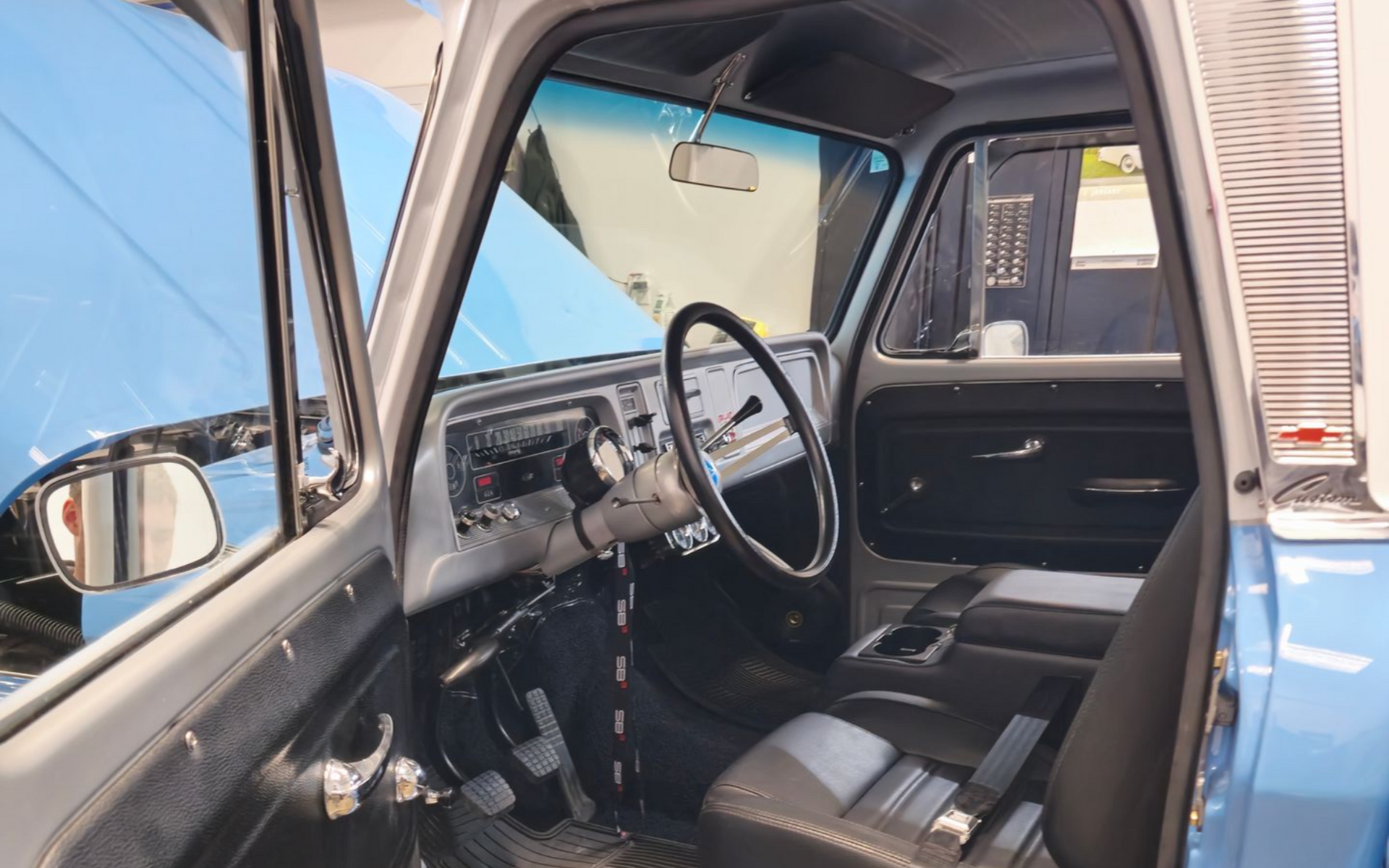
What Factors Affect Restoration Time?
1. Vehicle Condition
A clean, well-kept classic moves faster. A rusty, repaired, or wrecked one takes longer. And once teardown starts, hidden issues can change the plan.
2. Scope of Work
A project that includes paint, drivetrain, suspension, wiring, and interior will take longer than a mechanical-only upgrade. More systems equals more time.
3. Parts Availability
A lot of classic parts aren’t sitting on a shelf. Some take time to source. Others need to be rebuilt or modified to fit the way they should.
4. Bodywork and Paint Prep
This is where time gets real. Proper:
- Panel alignment
- Metal repair
- Blocking and straightening
- Paint prep
It can’t be rushed without showing in the finish.
5. Fit, Finish, and Testing
Final assembly is not just bolting stuff back on. We’re talking adjustments, dialing in gaps, solving small issues, and road testing so the car drives as good as it looks.
Why Fast Restorations Usually Cost More Later
Rushed work has a tendency to come back. Paint issues, electrical problems, and mechanical failures usually don’t show up immediately. They show up later, when it’s inconvenient and expensive.
At
Apex Auto Restoration in DeKalb, IL, we focus on long-term quality and reliability, not artificial deadlines.
Let’s Talk About Your Project
If you’re thinking about a restoration or upgrade and you want a realistic timeline based on your vehicle and goals, we’ll talk it through with you.
Reach out to Apex Auto Restoration, and let’s plan your build the right way.